Solar Battery vs Inverter Battery: Key Differences


In solar battery vs inverter battery, the core difference is duty, not chemistry: a solar battery is built for deep, daily charge-and-discharge cycles from a fluctuating source (sunlight), while an inverter battery is built for standby backup, sitting fully charged and waiting for an occasional power cut. Both are often lead-acid or lithium, so they can look identical, but their internal construction differs. Put a standard inverter battery into a daily-cycling solar system and it can wear out within a year. That mismatch, not the label, is what actually costs people money.
This comparison is deliberately about application and construction, not a repeat of the chemistry debate. For the chemistry choice within either type, see lead acid vs lithium battery; for the home-backup tubular-versus-lithium decision, see tubular battery vs lithium.
Solar battery vs inverter battery at a glance
Factor | Solar battery | Inverter battery |
|---|---|---|
Primary duty | Deep daily cycling | Standby backup |
Charged from | Solar panels (variable) | Grid mains (steady) |
Discharge depth | Deep, frequent | Shallow-to-moderate, occasional |
Construction | Rugged, thicker plates, more electrolyte | Standard, tuned for short bursts |
Typical life in role | 5–15 years | 3–6 years |
Best where | Solar setups, daily use | Frequent cuts, no solar |
What an inverter battery is built for
An inverter battery is designed for general power backup: it stores energy from the grid and supplies it during outages. It spends most of its life fully charged, waiting, and is tuned for short-to-moderate discharges when the power cuts out, then a steady recharge from the mains. Most inverter batteries in India are tubular lead-acid, chosen for cost and durability. They handle moderate cycling well, but they are not built for the deep, daily cycling a solar system demands. General inverter battery sizing is covered in the inverter battery capacity guide.
What a solar battery is built for
A solar battery is engineered for deep-cycle duty from a variable source. Because sunlight fluctuates and a solar battery may be deeply discharged on a cloudy day, it is built more ruggedly: thicker plates, higher electrolyte volume, and better charge acceptance so it can revive quickly after a deep discharge. It is designed to be charged and discharged every single day for years, and to work with MPPT or PWM solar charge controllers. This is why a solar battery lasts far longer in a solar role than an inverter battery would.
Why you cannot simply swap them
This is the honest warning most product pages soft-pedal. Using an inverter battery in a solar system leads to early wear because it is not built for daily deep cycling; installers report such setups degrading 30 to 40% faster, sometimes failing within a year. The reverse (a solar battery on a plain inverter) works technically but wastes money, since you pay for deep-cycle ruggedness you never use. The construction difference is real even when the chemistry is the same.
Best battery for solar: what to look for
The best battery for solar is a true deep-cycle battery matched to how often you will cycle it. Your realistic options:
Option | Best for | Trade-off |
|---|---|---|
Solar tubular (lead-acid) | Budget solar setups | Shorter life, needs maintenance |
Lithium LFP | Daily solar cycling, long life | Higher upfront cost |
Standard inverter battery | Not recommended for solar | Fails early under daily cycling |
For hybrid solar systems, lithium LFP is increasingly preferred because its 10-to-15-year life and 3,000-to-6,000-cycle rating align with the solar panel's life, avoiding the 3 to 4 lead-acid replacements a 25-year solar system would otherwise need. The lithium options are covered in the 200Ah lithium battery page and the lithium inverter and battery range; budget tubular options sit in the lead-acid range.
Cost and India context (verify at publish)
A traditional inverter battery setup runs roughly Rs 15,000 to Rs 40,000 and gives 2 to 6 hours of backup with zero bill savings. A hybrid solar system with an LFP battery runs far higher upfront but cuts the electricity bill 60 to 80% and provides backup, with the PM Suryaghar subsidy (up to Rs 78,000, applicable to the panel and inverter portion) reducing net cost. Verify current prices and subsidy terms at publish, as both change.
Honest pros and cons
A solar battery lasts long in daily cycling and suits solar, but costs more and is overkill for plain backup. An inverter battery is cheaper and perfect for occasional grid backup, but fails fast if misused in a solar system. Neither is universally better; the right choice is set entirely by your energy source and cycling pattern.
Which battery do you need?
- Strong fit for a solar battery: you have or are adding solar panels, you cycle the battery daily, or you want a battery whose life matches the panels.
- Strong fit for an inverter battery: you have frequent grid power cuts, no solar, and want the lowest upfront cost for occasional backup.
- Marginal: you plan to add solar later; buy for the solar future rather than replacing early.
- Not a fit: a standard inverter battery in a daily-cycling solar system, which fails early.
FAQs
What is the difference between a solar battery vs inverter battery?
A solar battery is built for deep, daily cycling from fluctuating solar power, while an inverter battery is built for standby backup from the steady grid. The chemistry can be the same; the construction and duty differ.
Can I use an inverter battery for a solar system?
Technically yes, but it is not recommended. Inverter batteries are not built for daily deep cycling and can degrade 30 to 40% faster in a solar setup, sometimes failing within a year.
What is the best battery for solar?
A true deep-cycle battery matched to your cycling. Lithium LFP is increasingly preferred for daily solar cycling because its 10-to-15-year life matches the panels; solar tubular lead-acid is the budget option.
Can I use a solar battery on a normal inverter?
Yes, it works, but it is not cost-effective. You pay for deep-cycle ruggedness a standby backup role does not need. For plain grid backup, an inverter battery is the economical choice.
Why does an inverter battery fail fast in a solar system?
Because solar systems charge and discharge daily and often deeply, and inverter batteries are tuned for occasional shallow-to-moderate backup. The repeated deep cycling wears them out quickly.
Do solar and inverter batteries use different chemistry?
Not necessarily. Both come in lead-acid (including tubular) and lithium. The difference is construction and duty rating, not chemistry, which is why they can look identical yet perform very differently in the wrong role.
Is an inverter battery cheaper than a solar battery?
Usually yes upfront, which is why it suits occasional grid backup. But in a solar role it fails early, making it more expensive over time. Match the battery to the job to avoid that.
Should I buy a solar battery if I might add solar later?
If solar is likely soon, buying a deep-cycle solar battery now avoids replacing an inverter battery early. If solar is uncertain or distant, an inverter battery meets current backup needs at lower cost.
Featured Videos
Watch insightful guides and product highlights

Adwin Power Partnership Experience

25 Years of Power: What Makes Adwin Two-Wheeler Batteries Reliable

Real experiences. Real words. Real relationships.

What Makes Adwin Power Partnerships Last? | A Partner’s Real Experience
Adwin Power Partnership Experience | Real Story, Real Trust, Real Growth

Reduce Generator Dependency with Lithium Battery Energy Storage | Adwin Power
Connect with us and get a reliable power source for your home with Adwin.

Choose Adwin and Be Bright!
Long Backup Batteries | Adwin Batteries

Build a greener tomorrow by choosing solar power

Say goodbye to interruptions and embrace uninterrupted memories!

Let your lives be uninterrupted with Adwin!

Adwin Car Battery | Best Automotive battery for cars | #adwin #battery #shorts #carbattery #carshort

Adwin Inverter batteries! Order Now and know the difference! #shorts

Trust the backup of Adwin #inverterbatteries to keep your home bright #Adwin #adwinbatteries

Employee Engagement at ADWIN Batteries | Life at ADWIN

बढ़ते बिजली बिल से परेशान? Solar Panel से करें Bill कम | Adwin Power Solar Solution

Adwin Power Meet 2026
Tired of sudden power cuts disrupting your daily life?

Welcome to ADWIN | Employee Induction Program Highlights

Ever wondered what goes behind the making of a reliable battery?

Big Match Tonight? Zero Power Cuts Allowed! ⚽🔋 | Adwin Bheem Inverter Battery

Safety Engineering Training Program at ADWIN
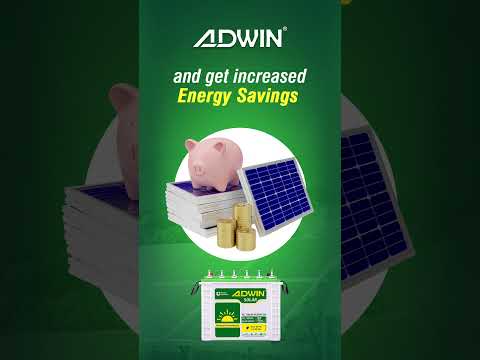
Adwin Solar Batteries | Top-notch solar batteries for maximizing savings
Adwin Inverter Battery | Best Inverter Battery #battery #inverterbattery #Shorts #india

Adwin inverter batteries | Best battery for long lasting performance | Adwin Customer Testimonial
Adwin Batteries: Powering Through Power Cuts, Uninterrupted Life Every Day!

Tap into the sun’s power, boost your savings, & enjoy uninterrupted workflow with Solar Battery.

Adwin Battery at EV EXPO, New Delhi



.jpeg)
.jpeg)


.jpeg)


.jpeg)


