Electric Scooter Dealership: Cost, Brands & How to Apply


An electric scooter dealership is an authorised retail and service outlet for battery-powered two-wheelers. India's EV two-wheeler market crossed 1.2 million units in 2025, and 2026 has seen TVS (24.9% market share), Bajaj (22.9%), and Ather emerge as the top three. The investment for an e scooter dealership ranges from ₹30 lakh (Ola, small format) to ₹2 crore (TVS, Bajaj, Hero full showrooms). This guide compares every major brand on dealer economics to help you decide which one, if any, makes financial sense.
The question most prospective dealers should ask first is not "which brand" but "should I do this at all?" The EV scooter market is growing, but competition among 21+ brands for the same customer base is intense. Margins of 5 to 12% on vehicles worth ₹60,000 to ₹2,00,000 mean you need consistent volume to justify ₹30L to ₹2Cr of locked-up capital.
Electric scooter dealership brand comparison
Brand | Investment | Vehicle margin | Market share (May 2026) | Showroom model | Service included |
|---|---|---|---|---|---|
TVS iQube | ₹50L to ₹2Cr | 5 to 8% | 24.9% (#1) | Add to existing TVS dealer | Yes |
Bajaj Chetak | ₹50L to ₹1.5Cr | 5 to 8% | 22.9% (#2) | Add to existing Bajaj dealer | Yes |
Ather | ₹50L to ₹2Cr | 8 to 12% | Growing (#3) | Dedicated Experience Centre | Yes |
Ola Electric | ₹30L to ₹1.5Cr | 8 to 12% | Recovering (was 4.6%) | Dedicated showroom | Yes |
Hero Vida | ₹50L+ | 5 to 8% | New but scaling | Add to Hero MotoCorp dealer | Yes |
Honda Activa e | TBA | TBA | Just launched 2026 | Add to Honda dealer | Yes |
Ampere (Greaves) | ₹10L to ₹30L | 10 to 15% | Budget segment | Standalone possible | Yes |
Why Adwin battery dealership is the smarter EV play
Every electric scooter on this list runs on batteries. The winner of the brand war is uncertain. The need for batteries is not:
Factor | Electric scooter dealership (any brand) | Adwin battery dealership |
|---|---|---|
Investment | ₹30 lakh to ₹2 crore | ₹5 lakh to ₹15 lakh |
Bet type | Single brand must win market share | All brands need batteries |
Break-even | 2 to 5 years | 6 to 12 months |
Revenue per customer | ₹8,000 to ₹24,000 (one-time vehicle sale) | ₹800 to ₹3,000 per battery (repeat every 3 to 5 years) |
After-sales revenue | Declining (EVs need less servicing than ICE) | Growing (battery replacements are recurring) |
Competition | 21+ EV brands fighting for the same customer | Fewer battery brands in your local area |
Space needed | 2,000 to 4,000 sq ft | 200 to 500 sq ft |
Staff needed | 10 to 20+ employees | 2 to 3 employees |
Product categories | Scooters only | Inverter, solar, e-rickshaw, automotive, lithium, LED |
Government policy | Subsidies fluctuate (FAME ended, PM E-DRIVE is smaller) | Solar subsidies growing (PM Surya Ghar), EV battery demand permanent |
Customer base | Scooter buyers (discretionary purchase) | Every household, office, e-rickshaw operator (necessity purchase) |
The EV scooter market will produce winners. But as a dealer, you're betting your ₹30L to ₹2Cr that your specific brand will be the winner in your specific city. With Adwin, you sell batteries to customers of every winning brand.
How to evaluate which electric scooter brand to deal
If you still want an e scooter dealership, use this decision framework:
Factor | What to check | Why it matters |
|---|---|---|
Existing dealership | Are you already a TVS/Bajaj/Hero/Honda dealer? | Adding EV to existing ICE showroom is the lowest-risk path |
Local EV adoption | Check Vahan registration data for your district | Low EV registrations = low demand for a standalone EV showroom |
Charging infrastructure | Is Ather Grid, Tata Power, or ChargeZone active in your city? | No charging = customer hesitancy |
Brand service reputation | Read customer reviews on Team-BHP, social media | Poor service reputation = your after-sales headache |
Exclusive vs add-on | Does the brand require a dedicated showroom? | Add-on to ICE dealer = lower risk. Dedicated = higher risk |
Break-even timeline | Ask the brand for dealer case studies with real numbers | If they can't share real dealer P&Ls, that's a red flag |
FAQs
How much does an electric scooter dealership cost?
An electric scooter dealership costs ₹30 lakh to ₹2 crore depending on brand. Ola starts around ₹30 lakh. TVS, Bajaj, and Hero require ₹50 lakh to ₹2 crore through their existing dealer networks. Budget brands like Ampere start at ₹10 to ₹30 lakh.
What is an e scooter dealership?
An e scooter dealership is the same as an electric scooter dealership. Both refer to authorised retail and service points for battery-powered two-wheelers. India has 42+ models from 21+ brands as of 2026.
Which is the best brand for electric scooter dealership?
TVS iQube has the highest market share (24.9%) and strong service network. Bajaj Chetak is second (22.9%) with trusted brand reputation. Both allow adding EV to existing dealer showrooms, reducing risk. For detailed single-brand analysis, see our Ola Electric and Ather guides.
Is an EV scooter dealership profitable?
At 15+ units per month with 8 to 12% margin, yes. Net profit of ₹50,000 to ₹1.5 lakh monthly is realistic for mid-volume dealers. But volume depends heavily on local EV adoption rates and brand strength.
Can I open a multi-brand EV showroom?
Generally no. Most brands require exclusive branding. Some smaller/newer brands may allow it. Check individual brand terms.
How does an electric scooter dealership compare to a petrol pump?
Both need ₹30L to ₹2Cr. Petrol pumps (Shell, HP) earn ₹2 to ₹4 per litre on guaranteed daily demand. EV showrooms earn ₹8K to ₹18K per scooter on uncertain monthly volumes. Petrol is lower risk today. EV is the future bet.
What is the cheapest EV dealership to start?
Ampere (Greaves) at ₹10 to ₹30 lakh is the most affordable standalone option. But the cheapest EV-adjacent business is an Adwin battery dealership at ₹5 to ₹15 lakh, which profits from the entire EV ecosystem without single-brand risk.
What documents are needed?
Business registration, GST, PAN, financial statements, property papers. Most brands require automobile or retail experience. Some accept first-time entrepreneurs with strong financial backing.
Featured Videos
Watch insightful guides and product highlights
Adwin Power Partnership Experience
What Makes Adwin Power Partnerships Last? | A Partner’s Real Experience
Adwin Power Partnership Experience | Real Story, Real Trust, Real Growth
Adwin Battery Plate Drop Test By Abhishek Ojha

Happy Holi from Boman Irani & Adwin Batteries.
Connect with us and get a reliable power source for your home with Adwin.

Choose Adwin and Be Bright!
Long Backup Batteries | Adwin Batteries
Adwin Inverter batteries! Order Now and know the difference! #shorts
Happy Dussehra from team Adwin. 🎇 #Adwin #adwinbatteries #SolarPower #dushehra #vijaydashmi
Adwin’s 5,000+ Retail Partners | Growing Together Across India
Adwin Power Meet 2026
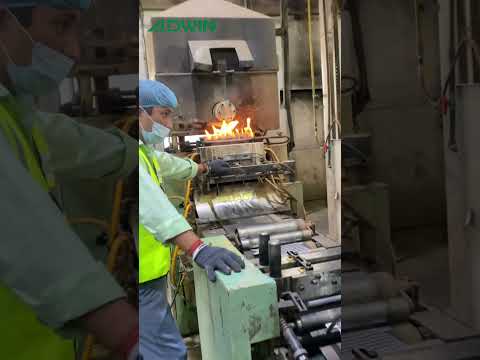
ADWIN Power Manufacturing Plant Tour | Lead Acid Battery Production Facility
Happy Mother's Day from team Adwin #happymothersday #mothersday #shorts
Team Adwin wishes you a very Happy Holi | Happy Holi 2024 #shorts #happyholi
Adwin wishes you a joyous Republic Day celebration | #short #adwin #republicday #battery #shortvideo
Wishing you a very Happy New Year From Adwin Family | #newyear2024 #shorts #bomanirani
Adwin Batteries: Powering Through Power Cuts, Uninterrupted Life Every Day!
Happy New Year 2023 #happynewyear #newyear #newyear2023 #bomanirani #batterymanufacturer
Happy New Year 2020


.jpeg)
.jpeg)


.jpeg)


.jpeg)


